

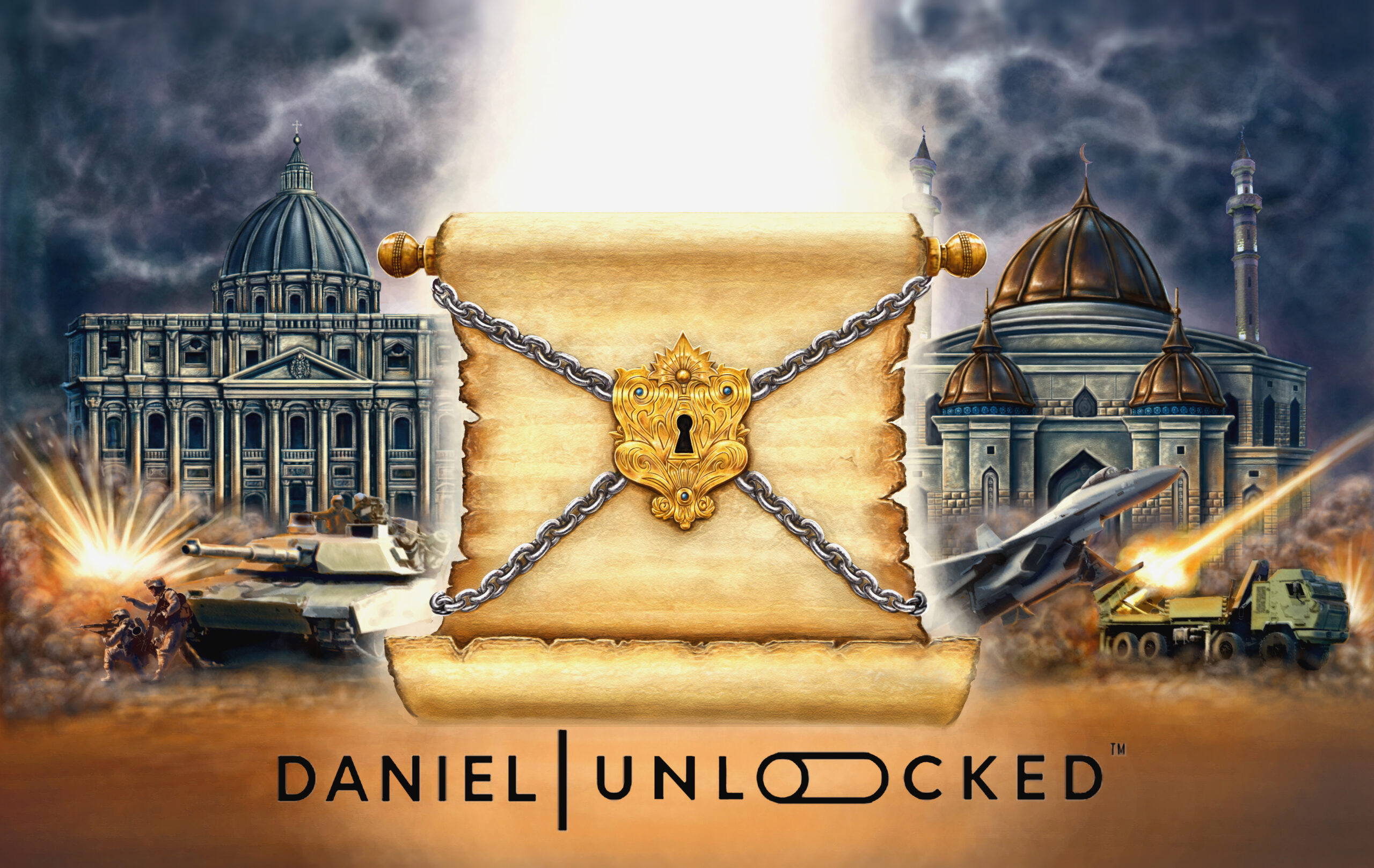
Daniel Unlocked #30. The Fall of End Time Babylon.
Nebuchadnezzar apparently understood the status of the temple objects when he placed them in the temple of his god. As opposed to his predecessor, Belshazzar who showed no respect for the temple vessels. By defiling them in his immoral celebration, he challenged God Himself. Belshazzar’s profanation of the sacred vessels stands as another episode in the long conflict between Babylon and Jerusalem, depicted in the Scriptures. The term Babylon appears for the first time in Genesis 11 (spelled as Babel in most translations), when a company of rebellious individuals begin constructing a tower intended to reach to the heavens. Babylon is epitomised by the doctrine of salvation by works. The conflict over worship and specifically salvation by works versus salvation by faith, began in Eden with the offerings of Abel and Cain. Abel brought the required blood sacrifice of substitution, while Cain brought the labour of his own hands. This conflict runs through scripture like a golden thread.
This conflict between God and Babylon as a representation of the forces that oppose God and His truth emerges time and again in the Scriptures. When the armies of Nebuchadnezzar invaded Judah and demolished Jerusalem and the temple, it appeared that Babylon had won. Belshazzar appears intent on reconfirming such appearances by defiling the vessels of God’s temple. In praising his gods and defiling the temple vessels, the Babylonian king intended to make a public demonstration of contempt toward the God of the Hebrews. This act of profanation points to the end time attacks of the little horn and the king of the north against God’s people and God’s heavenly temple, as depicted in the prophetic section of Daniel. Subsequently, the book of Revelation provides a broader picture of the conflict between Babylon and Jerusalem, (false worship and true worship) which culminates in the annihilation of Babylon and the establishment of God’s eternal kingdom, with the New Jerusalem at its centre.
On the night of Babylon’s demise, the enemy diverted the river Euphrates—which ran through the city—to a marsh, and with the level of the water lowered, the soldiers entered Babylon underneath the city wall through the riverbed.
Belshazzar was killed, and mighty Babylon fell before the Medes and Persians, in October 539 B.C.
The fall of historical Babylon—as the gold gave way to silver—symbolizes the final defeat of the spiritual end-time Babylon, as hinted at in the prophetic chapters of Daniel.
In Revelation, the fall of the end-time Babylon is preceded by an immoral women holding the golden cup (Rev.17). Its final demise is connected with the sixth plague, which results in the drying up of the Euphrates to prepare the way for the kings from the east (Rev. 16:12). In the end, the victorious city (Babylon) is defeated, and the defeated city (Jerusalem) is re-established.
How can we safeguard ourselves from repeating the error of Belshazzar, who failed to draw lessons from the past experiences of his grandfather Nebuchadnezzar? What steps can we take to steer clear of the same pitfalls of neglecting the valuable insights gained from the experiences of others? The old proverb, “Those who do not learn from history are doomed to repeat it” underscores the importance of extracting wisdom from historical lessons. So, how do we ensure that we break this cycle and cultivate a mindset that values and learns from the collective wisdom of the past?
Daniel gives us clear instructions on this ‘how to,’ as it gives us the devils plans in advance and as Paul says, “That day will not catch us by surprise.” (1Thess5:1-5.) End time Babylon will fall but prior to that God’s people are called to come out and separate from her. (Rev.18:1-4)
I am so loving these readings daily
Hungry for more.
Thankyou Ross, praise God for the Good news and warnings 🙏🏻💕
Lord keep me away from false worship keep me on the right path and keep me on the straight path God bless you 🙏